Improving Precision and Assembly Consistency Through Simulation-Based Training
- ಉದ್ಯಮ
- Electronics & Precision Manufacturing
- ಗಮನದ ಕ್ಷೇತ್ರ
- Precision Task Training · 3D Simulation · Digital Work Instructions
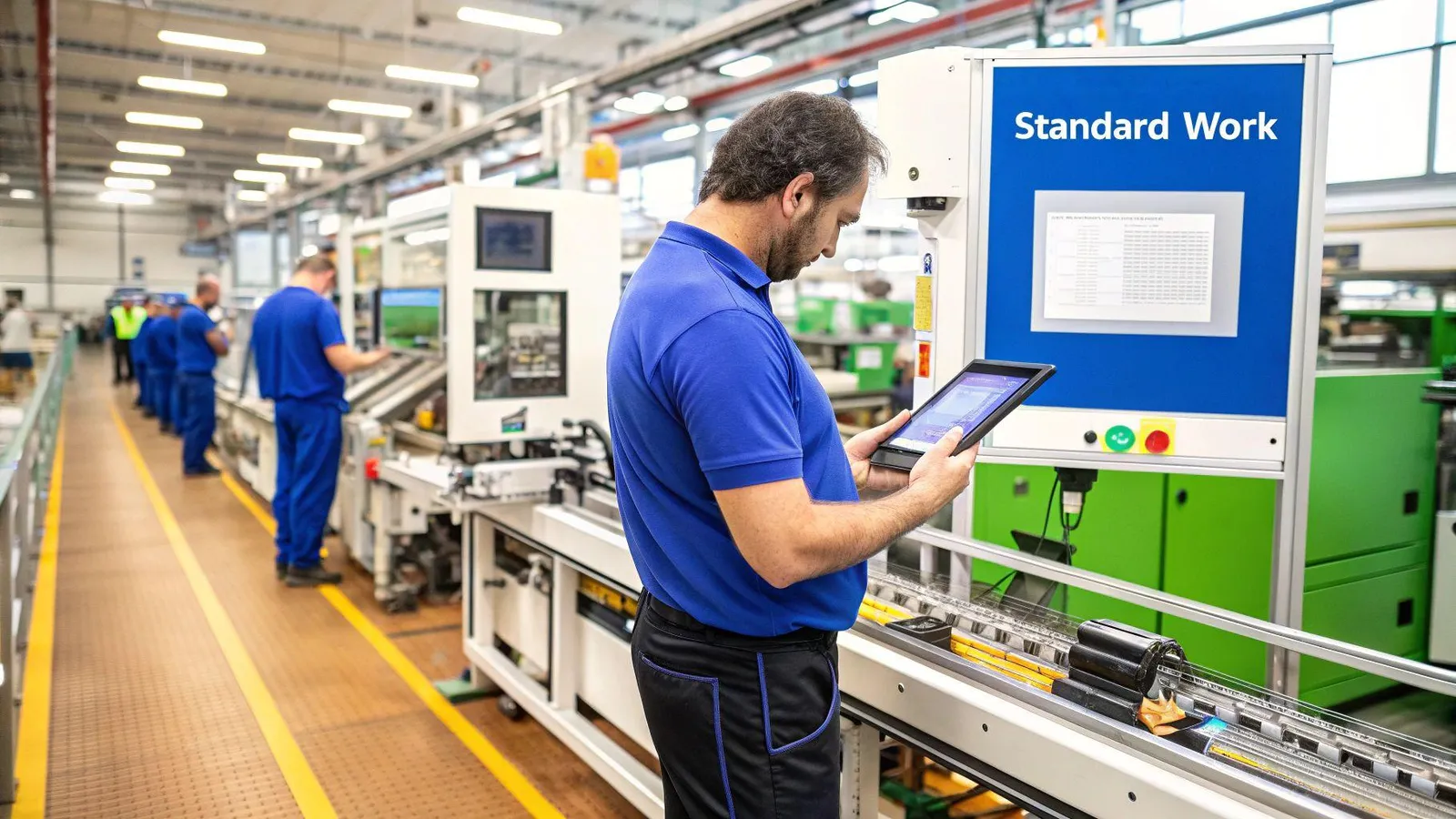
Project Overview
Precision assembly tasks require workers to follow exact procedures while handling delicate components and specialised equipment.
In RF cable and micro-assembly operations, even small mistakes in cable selection, orientation, routing or seating can affect product quality and reliability.
VALTEP's simulation-based training approach helps workers understand each stage of the assembly process, practise critical movements and develop consistent task execution before working on actual components.
The Challenge
Workers involved in precision assembly must develop several specialised skills:
- Component Identification: Selecting the correct RF cable and understanding its specifications.
- Orientation Accuracy: Identifying the correct cable direction and positioning.
- Precise Routing: Following the correct cable path without causing damage.
- Assembly Consistency: Performing alignment, press-fitting and seating procedures accurately.
- Quality Verification: Identifying assembly defects and verifying the completed task.
Traditional training often requires repeated practice using actual components, increasing the possibility of material wastage and inconsistent execution.
The Valtep.AI Approach
Valtep uses interactive task simulations and digital training workflows to help workers master precision-based assembly procedures.
The solution focuses on:
- Visual Task Demonstrations: Breaking down complex assembly procedures into easy-to-follow stages.
- Interactive Practice: Allowing workers to repeat cable identification, orientation and routing tasks.
- Precision-Based Training: Helping learners understand correct positioning, alignment and component handling.
- Quality Inspection Practice: Training workers to identify defects and verify completed assembly work.
- Repeatable Learning: Providing opportunities to practise without consuming actual production materials.
Implementation & Training Process
- Identify & Select: Learn to recognise and pick the correct cable.
- Orient & Route: Practise correct cable orientation and routing procedures.
- Align & Assemble: Understand alignment, press-fitting and seating requirements.
- Inspect & Verify: Check the completed assembly against quality requirements.
Expected Operational Benefits
The approach is designed to support:
- More consistent precision assembly practices.
- Improved worker familiarity with delicate components.
- Reduced dependence on physical materials during initial training.
- Better adherence to standard operating procedures.
- Fewer avoidable assembly and inspection errors.