What Is VR Safety Training? Benefits, Applications and Use Cases Across Industries
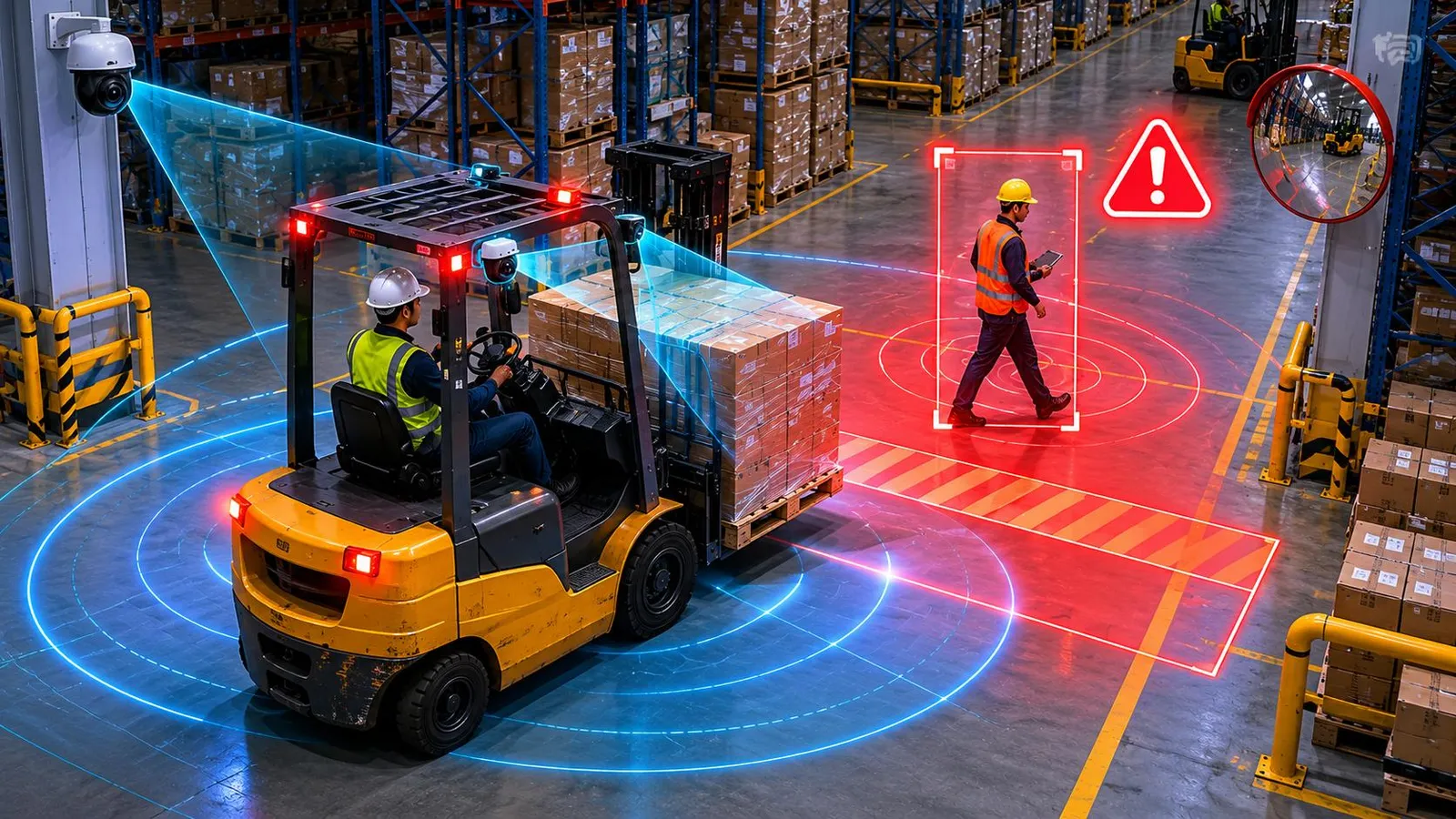
Workplace safety training helps employees understand potential risks, follow safety procedures and respond to emergencies. However, traditional methods such as presentations and videos may not always provide practical learning experiences. VR safety training offers a more interactive approach by allowing employees to practise real-world safety situations in a controlled virtual environment.
From manufacturing and construction to mining and logistics, virtual reality (VR) helps businesses introduce employees to workplace hazards without exposing them to actual danger during training.
What Is VR Safety Training?
VR safety training uses virtual reality technology to create simulated workplace environments where employees can learn and practise safety procedures. Using a VR headset, employees can explore virtual workplaces, identify hazards and respond to different situations.
Unlike traditional learning methods, VR allows employees to participate in training activities rather than simply watch demonstrations.
How Does VR Safety Training Work?
A typical VR training programme involves:
- Virtual Environment: A digital workplace such as a factory, warehouse or construction site is created.
- VR Equipment: Employees wear a VR headset to enter the simulated environment.
- Interactive Scenarios: Employees practise identifying hazards, following procedures and responding to emergencies.
- Performance Assessment: Training systems can evaluate task completion and provide feedback based on employee actions.
Employees can repeat scenarios to improve their understanding and decision-making.
Key Benefits of VR-Based Employee Training
VR-based safety training offers several advantages:
- Safer Learning: Practise hazardous situations without real-world exposure during simulations.
- Better Engagement: Interactive environments encourage active employee participation.
- Hazard Identification: Develop awareness of workplace risks through practical exercises.
- Consistent Training: Deliver standardised training experiences across multiple locations.
- Repeated Practice: Allow employees to revisit scenarios whenever required.
- Performance Assessment: Evaluate employee understanding through scenario-based activities.
Applications Across Different Industries
VR safety training can be adapted to different workplace environments and operational requirements.
| Industry | Training Applications |
|---|---|
| Manufacturing | Machine safety, equipment handling and emergency procedures |
| Construction | Working at heights, scaffolding and hazard identification |
| Mining | Underground safety and emergency evacuation |
| Oil and Gas | Fire safety, chemical spills and confined spaces |
| Logistics | Forklift safety, material handling and warehouse hazards |
| Automotive | Assembly line safety and electrical hazard awareness |
| Energy | Electrical safety and equipment maintenance awareness |
Common VR Safety Training Scenarios
Businesses can introduce VR simulations for fire emergencies, workplace evacuation, electrical hazards, confined space safety, machine operations, chemical spills and working at heights.
These scenarios provide opportunities to practise safety procedures in controlled environments before employees encounter similar situations at work.
VR Safety Training vs Traditional Training
Traditional training generally uses presentations, videos and physical demonstrations, while VR introduces interactive simulations and scenario-based learning.
Both methods have their advantages. VR supports immersive practice, while traditional training remains valuable for theoretical instruction and hands-on equipment familiarisation. Combining both can create a more effective safety training programme.
How Can Businesses Implement VR Training?
Businesses should begin by identifying workplace hazards and employee training requirements. Next, they should select relevant VR modules, define learning objectives, conduct a pilot programme and evaluate employee performance.
Integrating VR with existing safety procedures, practical demonstrations and refresher sessions can support continuous workforce development.
Why Choose Valtep.AI?
Valtep.AI focuses on workforce training, workplace safety training and AI-powered safety solutions for industrial environments.
Its broader training ecosystem includes immersive VR training, precision digital SOPs, physical simulators, VR safety drills, digital safety training resources and AI-based heavy-equipment safety solutions.
With applications across manufacturing, construction, mining, automotive, logistics and other industries, Valtep.AI aims to help organisations build more practical and technology-enabled training programmes.
Looking to strengthen your workforce safety training? Explore Valtep.AI's solutions and request a demonstration.
VR safety training makes workplace learning more interactive by allowing employees to practise hazard identification, safety procedures and emergency responses in virtual environments. When combined with traditional instruction and practical training, it can become a valuable part of an organisation's workplace safety programme.